From Command Pilot to Company Architect
Stepping into the Chief Pilot’s office for the first time is a study in contrasts. The clear-cut authority of the flight deck, governed by checklists and sterile cockpit rules, gives way to a world of nuanced relationships, hidden influence, and interlocking departments. Your logbook proves you can navigate a complex aircraft through any weather; your first week on the job is about proving you can navigate the even more complex human architecture of the company itself.
Success in this new role hinges less on your stick-and-rudder skills and more on your ability to become a diplomat and a diagnostician. The mission is to map the intricate network of people, processes, and power that truly makes the organization fly. By trading checklists for conversations and org charts for relationship maps, you build the foundation for a resilient, cooperative culture that elevates safety, efficiency, and morale long after the new-office smell fades. This is not a week for making grand pronouncements; it is a week for listening in three dimensions.
Day One and Two: Charting the Known World
Your journey begins with the official chain of command. The published org chart is your sectional chart—it shows the major landmarks, but not the local terrain. Your first priority is a one-on-one meeting with the person you report to, typically the Accountable Executive or Director of Operations (DO).
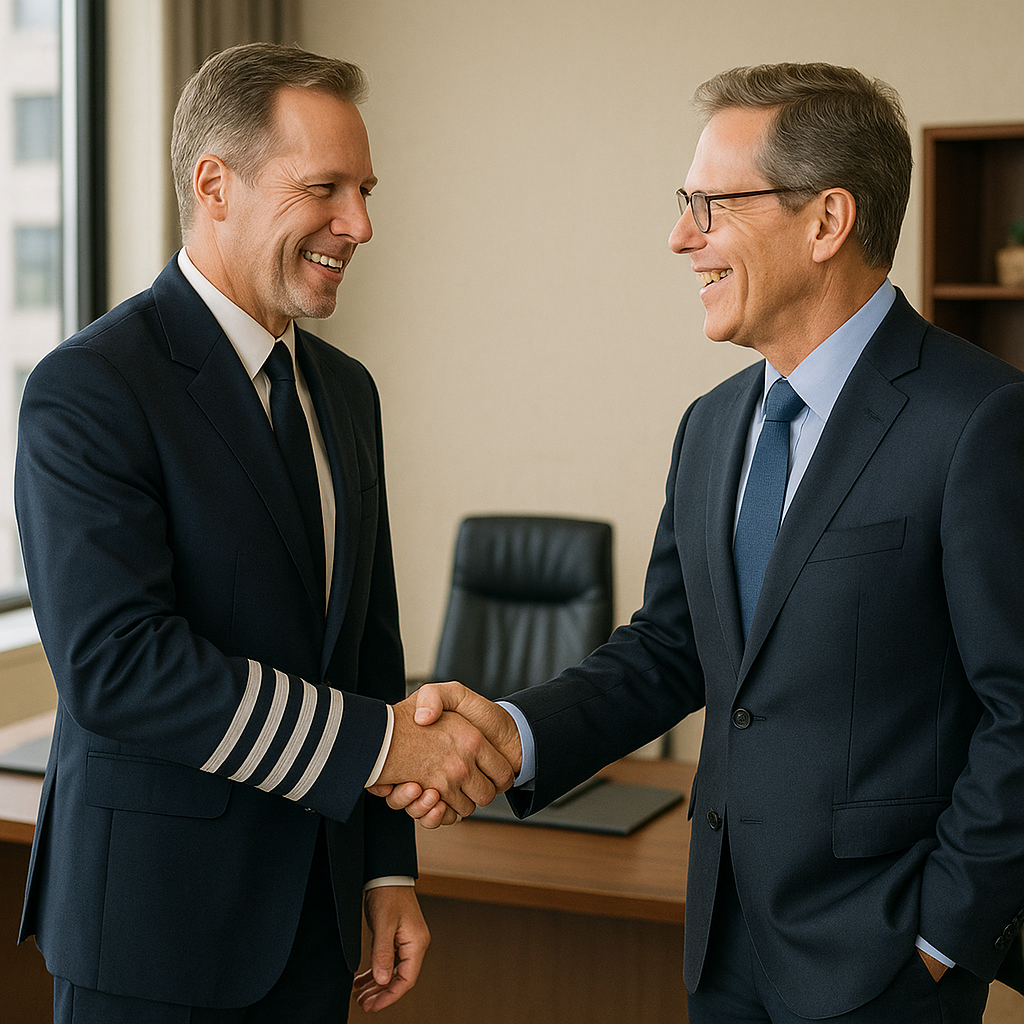
This is the individual whose name the FAA will call if compliance falters. The goal is to move beyond the title and understand their vision. Ask direct questions: What are their top three objectives for flight operations this year? What is their tolerance for risk, both operationally and financially? How do they prefer to receive bad news? Leave this meeting with a clear understanding of your mandate and access to critical documents: the latest Operations Specifications, recent Safety Management System (SMS) reports, and a financial snapshot of the department.
With your upward-facing view established, turn your attention sideways to your peers—the other department heads who share your altitude in the company hierarchy. These are your essential cockpit crewmates on the ground: the Director of Maintenance (DOM), the Safety Manager, the head of Dispatch or Flight Control, and the Director of Training. Silos between these departments are the breeding ground for operational friction and safety hazards.
Resist the urge to schedule a formal, one-hour meeting in your new office. Instead, practice management by walking around. Grab a coffee and meet the DOM on the hangar floor. Your opening question shouldn’t be “What do you need from me?” but rather, “What is the single biggest bottleneck that keeps you up at night?”
For example, the DOM might tell you that last-minute parts shortages for an aging aircraft in the fleet are causing unacceptable AOG (Aircraft on Ground) delays. This is the official problem statement. But your mission is to dig deeper. Later, while walking the floor, you might chat with a lead inspector. They might reveal the “parts shortage” isn’t about supply, but about a cumbersome internal purchase order system that takes three days for approval. The mechanics, knowing this, often delay reporting needs until it’s a crisis to force a faster response. Suddenly, the problem isn’t a maintenance issue; it’s a process issue rooted in the finance department. You’ve just uncovered your first clue by looking at the problem from more than one altitude.
Day Three and Four: Triangulating Reality
Armed with initial insights from your leadership peers, it’s time to add the third dimension: the perspectives of those on the front lines and in adjacent departments. The department heads see the weather system from 30,000 feet; the people doing the work are the ones flying through the turbulence. This is where you validate what you’ve heard and uncover the root causes that leaders may unintentionally filter out.
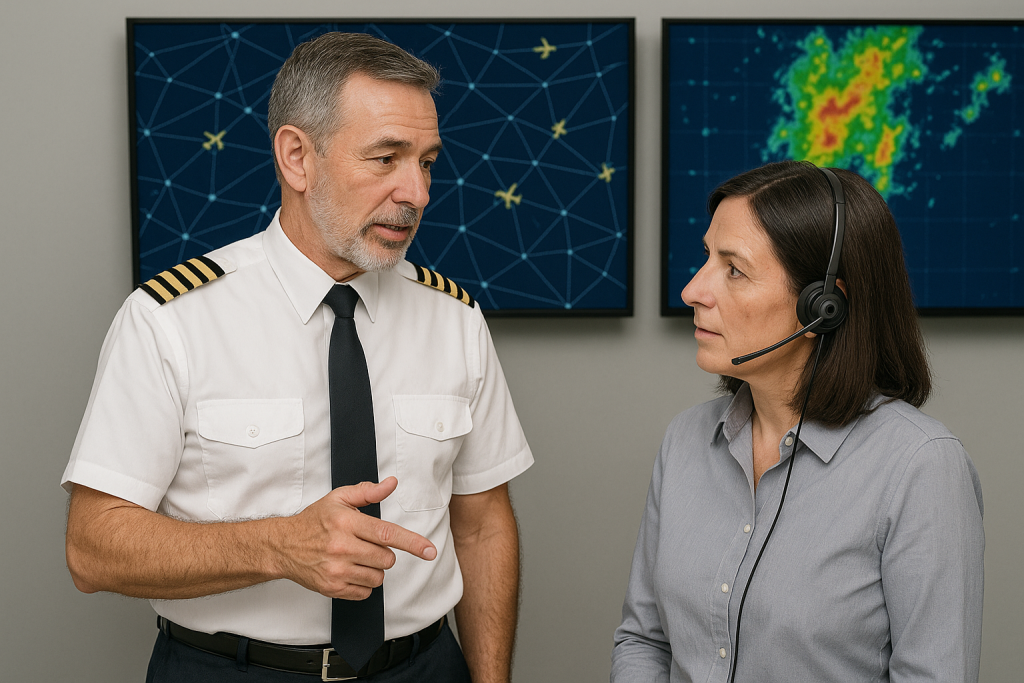
Your next stop is with the cross-runway allies—the heads of Finance, Human Resources, and IT. Meet with the Chief Financial Officer (CFO) to understand the financial pressures on the operation. They may point to crew travel as a major cost center. Your first instinct might be to crack down on hotel choices or per diems. However, a follow-up conversation with a senior scheduler and an HR representative might paint a different picture. They could reveal that last-minute crew swaps, driven by fatigue-related issues, are forcing the company to book flights and hotels at exorbitant rates. The scheduler, in turn, might confide that the scheduling software is slow to flag potential fatigue conflicts, making proactive planning nearly impossible. The “fiscal problem” identified by the CFO is actually a symptom of a technology and safety-process weakness. By connecting these dots, you can propose a solution—like a software upgrade or a policy change—that addresses the root cause, rather than just the symptom.
This triangulation is most powerful when you conduct “skip-level” conversations. Spend thirty minutes sitting with the dispatchers. Shadow a maintenance controller during a shift change. Ask a line pilot who just returned from a long-haul trip about their biggest frustration. These informal sessions are invaluable. You’ll hear about the IT bottleneck that requires three separate logins to check a flight plan, the ambiguity in the MEL that causes confusion on the overnight shift, or the client promise made by a sales representative that created an impossible turn-around time.
Look for the informal influencers—the people whose authority comes from experience, not their title. It might be the scheduler with two decades of tribal knowledge who knows every crew member’s visa status from memory, or the lead mechanic who can diagnose an engine issue over the phone. These individuals are the quiet problem-solvers who can either become your greatest allies or your most significant roadblocks. Earning their trust is paramount.
Day Five: Synthesis and Signal
By the end of the week, your head will be swimming with names, pain points, and contradictions. Now is the time to synthesize this intelligence into a coherent picture. Draft a simple, one-page summary of your initial findings. This is not a grand plan for revolution; it’s a “readback” to confirm you’ve understood what you were told.
Structure it simply:
- Key Contacts & Influencers: A brief list of the primary players you’ve met.
- Apparent Strengths: What is the operation doing well? (e.g., “Strong safety reporting culture noted among line pilots.”)
- Immediate Risks/Frictions: A summary of the key challenges you observed. Frame them as interconnected issues. (e.g., “A cumbersome PO process in Finance appears to be contributing to AOG delays reported by Maintenance.”)
- Potential Quick Wins: Identify one or two low-hanging-fruit opportunities. (e.g., “Clarifying the MEL amendment process could reduce overnight calls to management.”)
Circulate this document to your boss and your peer group with a simple note: “Thank you all for your time and candor this week. This is a summary of what I heard. Please let me know if I’ve missed anything or misinterpreted your concerns.”
This single act achieves three critical goals. First, it demonstrates that you listened. Second, it shows you are a methodical, transparent leader. Third, it invites collaboration and correction, signaling that you see them as partners in the solutions to come. You are not the regulator arriving with a hammer; you are a fellow pilot focused on ensuring a safe and smooth flight for the entire enterprise.
This first week, spent navigating the human terrain with intention and curiosity, is the most critical investment you will make as Chief Pilot. The network you forge now—built on trust, active listening, and a 3-D understanding of the organization—is the infrastructure upon which every future safety decision, staffing request, and strategic initiative will travel. Build it strong.

