Highlighting the Surge in Food Allergies
For corporate flight departments and Part 135 charter operators, food-allergy management has leapt from a niche concern to an operational imperative. With an estimated 11 percent of U.S. adults and 8 percent of children now living with at least one food allergy, every flight—whether a Gulfstream shuttle for executives or a mid-size jet on charter—carries the potential for a serious allergic event. Even trace exposures can turn routine service into life-or-death emergencies.
1. Why Food Allergies Matter in Corporate and Charter Environments
- Higher-stakes service: Corporate and charter crews often cater to bespoke menus and personalized catering, increasing cross-contact risk.
- Smaller cabins, closer quarters: Unlike commercial airliners, corporate jets emphasize comfort and privacy—also meaning any allergen residue lingers within tighter spaces.
- Owner and client expectations: A single allergic reaction can damage client trust, incur liability, and harm your department’s reputation for safety and excellence.
2. Allergy Prevalence and In-Flight Risk
- Adult and pediatric rates: Nearly 1 in 9 adults and 1 in 13 children report a food allergy, with peanuts, tree nuts, shellfish and milk topping the list.
- In-flight reactions: Surveys show about 8.5 percent of food-allergic passengers have experienced a reaction in the air.
- Corporate charter estimate: On a 12-passenger midsize jet, this math implies an ~1 percent chance that a flight could include an allergic incident—enough to demand proactive policies.
3. The “Big Nine” Allergens Corporate Crews Should Know
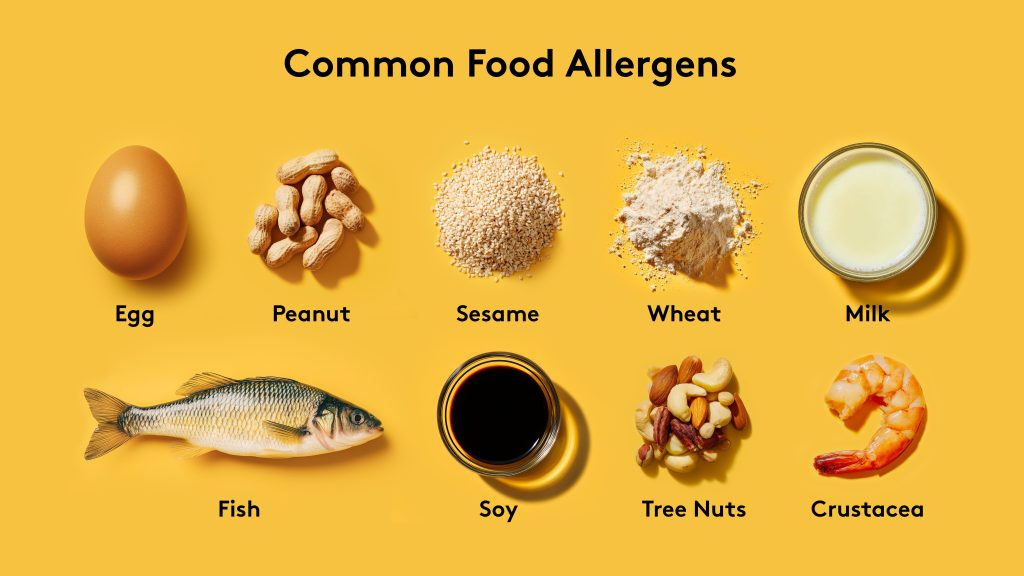
- Peanuts – Intensely allergenic, especially when roasted.
- Tree Nuts – Commonly cause severe reactions; watch for cross-contact in gourmet catering.
- Shellfish – Vapors from heating can trigger airborne reactions in confined cabins.
- Fish – Oils and steam from warm dishes may provoke responses.
- Milk – Ubiquitous in sauces, coffees and desserts; crew should confirm dairy-free alternatives.
- Eggs – Hidden in dressings, baked goods and many emulsified sauces.
- Wheat – Present in breading, gravies and pasta.
- Soy – Broadly used in ingredients and Asian-style catering.
- Sesame – Now regulated as a major U.S. allergen; easily overlooked in breads and condiments.
4. Why Allergies Are Rising: Modern Drivers
- Reduced microbial exposure: Ultra-clean work and home environments, smaller family sizes and heavy antibiotic use have skewed immune systems toward allergy.
- Delayed allergen introduction: Older pediatric advice favored postponing peanuts and eggs; today, early, supervised introduction is proven protective.
- Skin-barrier issues: Crew should be aware that clients with eczema or skin-barrier mutations can become sensitized through contact with proteins on cabin surfaces.
- High-heat processing: Roasted nuts and seared shellfish carry more potent proteins than their raw counterparts.
- Microbiome shifts: Crew meal planning should consider diversity of gut-friendly foods to support overall crew health.
- Urban pollutants: Charter operations out of metro areas may expose clients to higher pollution, potentially elevating allergy risk.
5. Best Practices for Corporate Flight Departments & Part 135 Crews
- Define and Communicate Allergen Policies
- Update operations manuals with clear food-allergy management procedures.
- Inform flight coordinators, caterers and clients of available “allergen-free” options during trip planning.
- Rigorous Cleaning Regimens
- Between legs, wipe down tray tables, armrests, seat belts and service carts with protein-removing cleaners.
- Use dedicated cloths or disinfectant wipes verified to break down allergenic residues.
- Crew Training & Emergency Preparedness
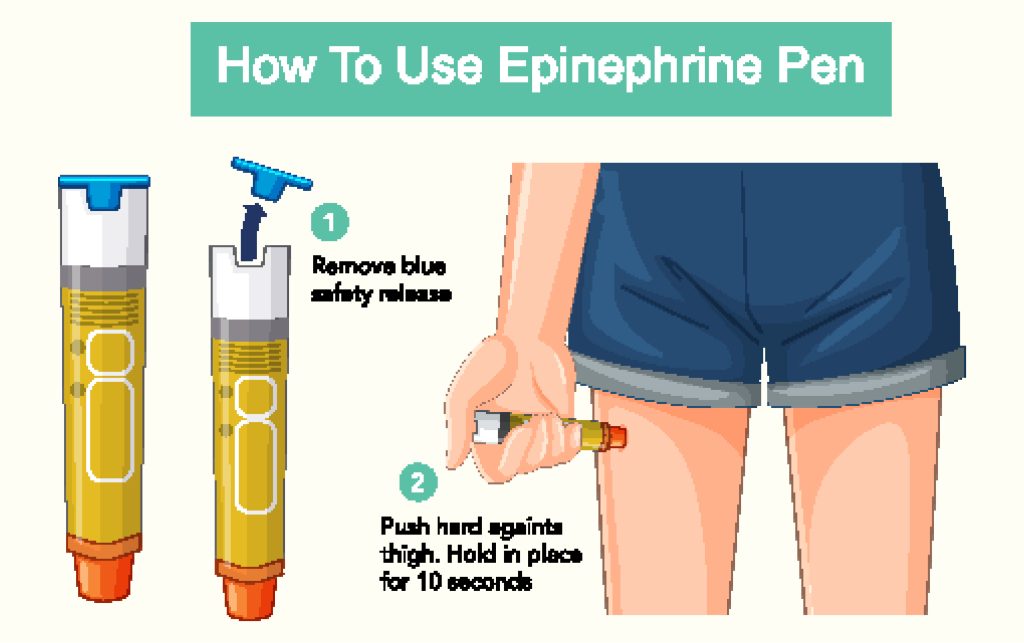
- Ensure every crewmember is certified in recognizing anaphylaxis and administering epinephrine auto-injectors.
- Stock each flight with at least two in-date auto-injectors and streamlined emergency checklists.
- Catering Coordination & Cross-Contact Avoidance
- Work with caterers to segregate allergenic ingredients and prep zones.
- Label all meals, snacks and beverages with clear allergen icons on service trays.
- Passenger & Client Communication
- Encourage clients to declare allergies when booking; confirm details during pre-flight briefs.
- Make pre-flight announcements requesting that all onboard refrain from consuming declared allergens.
- Post-Flight Review & Continuous Improvement
- Institute a confidential reporting system for in-flight allergic events.
- Analyze any incidents to refine cleaning checklists, training drills and catering protocols.
6. Conclusion
For corporate flight departments and Part 135 operators, proactive food-allergy management isn’t just best practice—it’s a core component of your duty of care. By embedding clear policies into your manuals, rigorously cleaning cabins, aligning catering procedures, and equipping crews with the knowledge and tools to act swiftly, you’ll protect both the health of your passengers and the sterling reputation of your operation. Safe, comfortable flights start with an allergen-aware crew.